





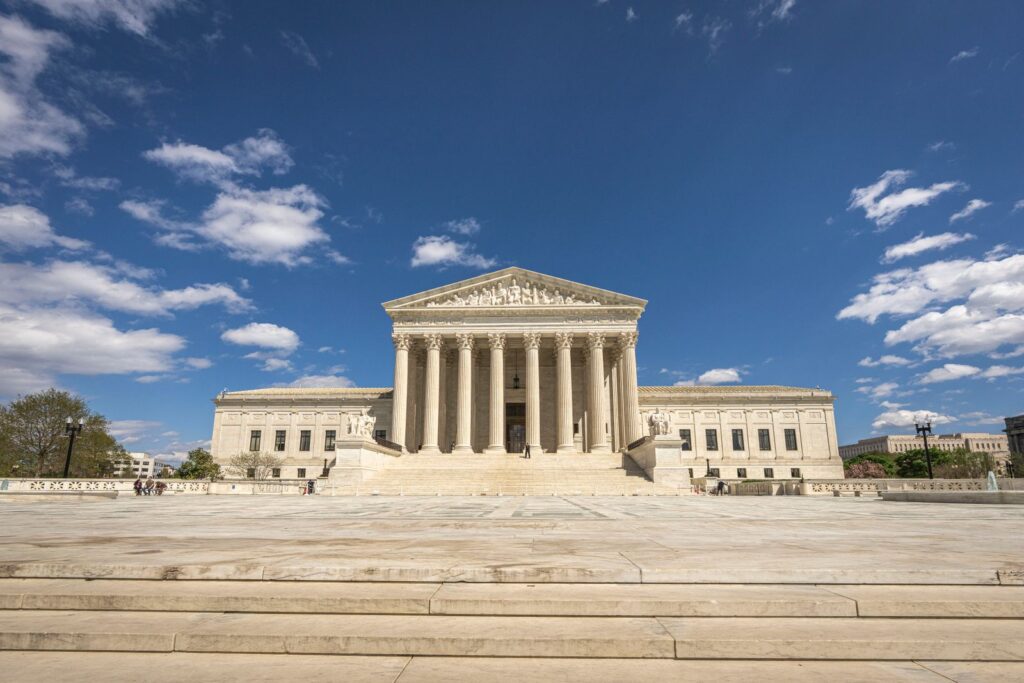

A California case about school gender-identity policies has moved from a federal appeals court to the U.S. Supreme Court’s emergency docket. For LGBTQ+ parents, and for families with transgender or questioning kids, the outcome could shape what schools are allowed to say, and to whom.
How the case got here
In late December, U.S. District Judge Roger Benitez ruled for a group of California parents and school employees who challenged state policies on keeping students’ gender identity confidential from parents. According to Education Week, he certified a class and said teachers who object to those policies have free speech and free exercise rights to notify parents. A Ninth Circuit panel paused that ruling on January 9, describing it as too sweeping and ambiguous.
On January 13, the parents, represented by the Thomas More Society, asked the Supreme Court to undo the pause in Mirabelli v. Bonta (No. 25A810). Justice Elena Kagan, who handles emergency requests from the Ninth Circuit, asked California to respond by January 21.
What’s on the docket
The state filed its opposition on January 21, and the parents filed a reply on January 22. Several groups also filed friend-of-the-court briefs. California argues, among other points, that emergency relief isn’t warranted, that the class-wide injunction goes too far, and that the order is unclear about which policies it covers. The justices could rule on their own or refer the matter to the full court, and as of this writing no decision has been reported.
Separately, the Supreme Court has been weighing whether to take up two other school gender-identity cases, Foote v. Ludlow School Committee and Littlejohn v. Leon County School Board.
What families can do
- Read your district’s current policy on student names, pronouns and parent communication, and ask for it in writing.
- Talk with your child about who at school knows what, and how they feel about it, so no one is surprised.
- Keep in touch with a trusted teacher or counselor, and know who to call if something feels off.
- Follow updates from groups such as GLAD Law, Family Equality and your state’s ACLU affiliate.
Whatever the court decides, it’s a reminder that school policy can change quickly, and that steady, open conversation at home is the best foundation for any kid.
Sources: Education Week; U.S. Supreme Court docket, No. 25A810. This article is for information only and isn’t legal advice.