
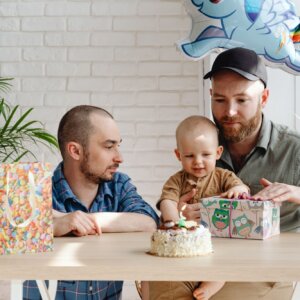

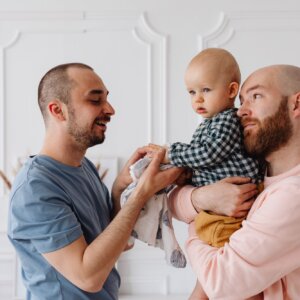


For many LGBTQ+ parents, finding a children’s show where a kid has two moms or two dads still feels like a small miracle. A new interview on Mombian, the LGBTQ+ parenting blog, offers a look at the people working to keep those stories on screen, and at what they say is getting harder.
Who is speaking
The interview features Chris Nee, a three-time Emmy-winning writer and producer whose credits include Doc McStuffins, Ada Twist, Scientist and the Netflix series Ridley Jones. She is joined by Kristi Reed, an Emmy-winning animation casting and voice director who has worked on Steven Universe and DeadEnd: Paranormal Park.
Along with entertainment executive Jeremy Blacklow, the two launched The Rainbow Project in 2024. Its first initiative is the Velma Awards, which work differently from most industry honors: there are no studio submissions or formal nominees. Instead, the team seeks out queer programming on its own and celebrates the people who made it. Categories are playful, including “Best Helping My Dad Propose to My Other Dad.”
An archive of pushback
In 2025 the project also began a closed archive of first-hand accounts from creators about the resistance they met when trying to get queer stories made. Nee explains that it is closed so people can speak freely. She says many shows honored by the Velmas would not be greenlit today, and that some networks are telling creators not to include same-sex parents or nonbinary characters. She also notes that Ridley Jones drew online trolling over a nonbinary character.
Reed says she is working on upcoming projects with queer narratives, some tied to large, well-known properties. On why this matters, she puts it plainly: “If you need to end generational hatred, it starts in children’s programming.”
What this means for families
Children learn what is “normal” partly from the stories around them. When a cartoon shows a family that looks like yours, it can validate your kids and also help classmates and relatives see your family as ordinary. The interview is a reminder that those stories don’t appear by accident.
What families can do
- Watch, stream and talk about shows that include LGBTQ+ families; viewership is one signal networks pay attention to.
- Ask your library and local bookstore for picture books and series with same-sex parents, and request titles they don’t carry.
- Follow The Rainbow Project and the Velma Awards to discover queer children’s programming you may have missed.
- Tell creators and platforms directly when a show means something to your family.