





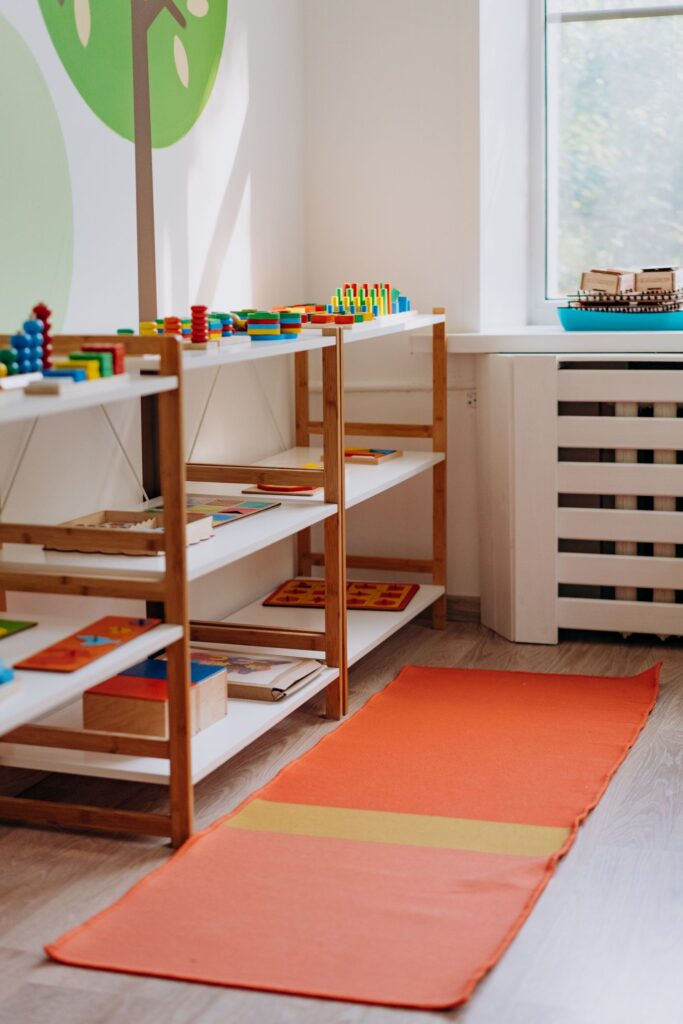

The U.S. Supreme Court heard arguments on November 3 in a case that asks whether Catholic preschools can take part in Colorado’s state-funded preschool program without agreeing to its rule against turning away LGBTQ+ children and the children of LGBTQ+ parents. No decision has been issued yet, but reporters who covered the hearing say a majority of the justices sounded open to the schools’ position. Here’s what was said and what it could mean for families.
What the case is about
Colorado’s universal preschool program, approved by voters in 2020 and launched in 2023, gives families up to 15 hours of free preschool a week. Providers that join must sign an agreement promising equal enrollment opportunities regardless of several characteristics, including sexual orientation and gender identity. More than 2,000 preschools take part, including other religious schools that accepted those terms.
Two Catholic parishes, the Archdiocese of Denver and two parents sued after the state declined to grant an exemption. One of the parishes’ preschools has since closed. They argue the First Amendment requires an exception, and they say enrolling LGBTQ+ children or children with LGBTQ+ parents would conflict with Catholic teaching. The lower courts, including the 10th Circuit, sided with Colorado, and the Supreme Court agreed in April to take the case.
What the justices said
Colorado’s deputy solicitor general, Helen Norton, told the Court that the state welcomes religious preschools and lets them teach their faith; it simply asks every provider to follow the same rules. She described the state’s goal as “equal opportunity, not some opportunity,” and gave examples of parents who depend on the one school that opens early or takes all their kids.
Nicholas Reaves, representing the Catholic schools, argued that letting them in would add seats rather than take any away. When Justice Sonia Sotomayor asked whether the schools would turn away a child because of their parents’ sexual orientation, he answered that it would be permitted if it reflected sincere religious exercise. Justices Elena Kagan and Ketanji Brown Jackson pointed out that earlier cases involved laws aimed at religious schools, while Colorado’s rule applies to everyone. Justice Jackson also asked whether the same reasoning could be used to exclude children of certain races; the Justice Department lawyer supporting the schools said such an argument would fail.
Several conservative justices, including Samuel Alito, Neil Gorsuch and Amy Coney Barrett, questioned whether a rule that looks neutral can still unfairly burden religious schools. Justice Brett Kavanaugh asked why a compromise couldn’t let a few dozen Catholic schools join while LGBTQ+ families keep plenty of other choices. SCOTUSblog reported that a majority seemed to agree the state’s refusal to grant an exemption deserves tougher judicial review, and the Court could apply that test itself or send the case back to the lower courts.
The family stories behind the briefs
Briefs from COLAGE, Family Equality and Rocky Mountain Equality, along with one from the National Women’s Law Center, shared accounts of LGBTQ+ parents and their grown children who were turned away from religious schools. Norton pointed to them at the argument. COLAGE’s Meg York told Mombian the ruling could be written broadly or narrowly, which will shape its reach, and that children with LGBTQ+ parents deserve a voice wherever decisions about them are made. A ruling is expected around next June or early July.
What families can do
- Remember nothing has changed yet. The Court has not ruled, so watch for the decision rather than assuming an outcome.
- Ask before you apply. Get any preschool or child care program’s enrollment and nondiscrimination policies in writing, including how it treats families with same-sex or trans parents.
- Check your local rules. Look up whether your state or city has nondiscrimination protections that cover publicly funded child care or preschool.
- Stay connected. COLAGE and Family Equality, which both filed briefs, are likely sources for updates and family support.
Sources: SCOTUSblog; Chalkbeat Colorado; Mombian.
This article is for information only and isn’t legal advice.