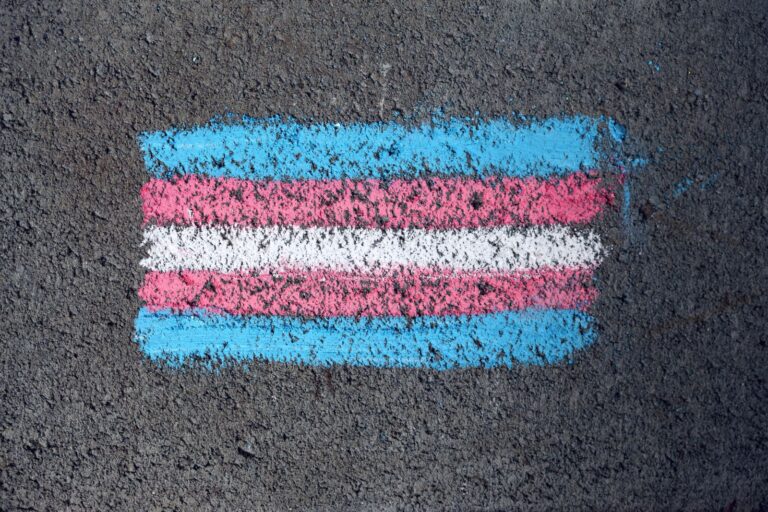



Students at King George Middle School in Virginia have a new path to starting a Gay-Straight Alliance (GSA). On September 14, the ACLU of Virginia announced that it and Potomac Law Group had reached a settlement with the King George County School Board on behalf of two students’ families. For parents of kids who want a place to belong at school, it’s a case worth understanding.
How the dispute began
According to the ACLU of Virginia, students followed the official process to start a GSA during the 2025–26 school year. The board then proposed rules that would make clubs harder to form. After the ACLU of Virginia warned in a letter that the policy would violate federal law, the board adopted a rule barring all noncurricular organizations at the middle school level. That effectively blocked the GSA, while the ACLU says other existing noncurricular groups were still allowed to operate.
The families then went to federal court in a case called Z.J.W. v. King George School Board, filed in the Eastern District of Virginia. Their claims relied on the First Amendment and the Equal Access Act, a federal law on student clubs.
What the settlement does
- The board is reversing course and again allowing noncurricular clubs to form at the middle school.
- Students can submit a GSA proposal under the restored process. The ACLU’s announcement does not say that a proposal has been approved yet.
- The lawsuit is to be dismissed without prejudice, which means it can be brought back. The ACLU says it can be refiled if the school does not approve a GSA proposal submitted under the new policy.
Parents should also note a new step. Virginia Mercury reports that the updated policy covers sixth through eighth graders and requires written parental permission before a child joins a club or attends its meetings. The district has described its update as balancing student-started groups with safety and a supportive school environment, and has pointed to family involvement and transparency.
ACLU of Virginia staff attorney Julia Kahn has said schools cannot pick clubs based on disapproval of what they represent. Susan Park, a parent who joined the lawsuit, told Radio IQ, “I’m just grateful that my son had this opportunity.”
What families can do
- Read your district’s club policy. Look for how clubs are approved, whether permission slips are required and what deadlines apply.
- Ask whether the rules apply equally. Notice which other clubs meet and what process they went through.
- Keep a record. Save applications, emails, meeting agendas and the dates of any decisions.
- Let your child set the pace. Some kids want to speak at a board meeting. Others just want a lunchtime space with friends. Both are fine.
- Talk about permission forms with care. A signature requirement may be simple in affirming homes but harder for classmates who aren’t out to their families. Remind your child never to share a friend’s identity without that friend’s OK.
- Get advice early. If a club is delayed or denied, a civil rights or LGBTQ+ legal organization can explain your options.
The next thing to watch is how the school handles a GSA proposal under the restored process. In the meantime, parents can remind their kids that asking for a welcoming space, and following the rules to get it, is something to be proud of.
This article is for information only and isn’t legal advice.
Sources: ACLU of Virginia, Sept. 14, 2026; WVTF/Radio IQ, Sept. 15, 2026; Virginia Mercury via Royal Examiner, Sept. 16, 2026.